Friday, 26 July 2019

Weight Management - Physical activity and Calorie Reduction - UPDATE!


               Image result for physical activity

Hey everyone! Good to be back on here after a year's break! Some of you might have read this article a couple of years ago, but since then I have learnt some important factors which affect weight gain. Therefore, I will  discount my previous message 'eat less and move more'. Let's have a look at the why this model is wrong and what are the best solutions....
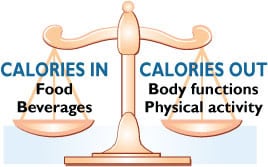
                                   
                                     Image result for energy from food and activity
Why this model does not work

Many of us have been told that if we eat less, and exercise more we will burn more energy and subsequently lose weight. For some, this has worked for a short time because we have succeeded at reducing the energy the body needs at rest (BMR). However, this has only lasted for  short period and we have been taught this is due to lack of will - power.

 I have some good news, obesity is a hormonal issue not simply psycho-social. Here's the truth, hormones control how much energy we consume and how much energy we burn. If we eat less, we will burn less regardless of the amount of activity we do. Another important note, calories are not equal, therefore each nutrient will affect our metabolism differently.


The role of insulin in weight management
Some quick science, insulin is released from the pancreas (pictured above) and has two key functions. These include storing fat and using our blood sugars (glucose) as stored energy. I'm sure most of you are now thinking ''insulin is making me gain weight'', if this is the case, you're on the right lines. Each type of food we eat, carbs, protein and fat have a different effect on our insulin.

 Fat has no effect because it is not absorbed in the blood stream, but lymphatic system. Protein has little effect on insulin, however, carbs raises our insulin. The more refined and processed carbs we eat, the higher our blood sugars and the higher our insulin rise in the blood stream. Too much blood sugars causes insulin resistance because insulin is unable to convert excess glucose into energy and is converted to fats known as triglycerides. When this happens, the body is now in fat storage mode.


So what's the solution?

You need to work towards reducing our insulin and blood sugars. The only way we can achieve this is by reducing the amount of carbs in our diet, fasting  and possibly increasing our physical activity. You can follow a low carbohydrate diet  (50g>130g carbs, SACN, 2015), this will reduce insulin resistance and place our body in fat burning mode because insulin is not being used, so fat will be the main source of energy. This is the same for fasting. Physical activity helps insulin to convert our glucose to energy in our active muscle cells, so again, no insulin resistance.


   So what's the best type of physical activity?

  • Any type of movement that keeps you warm and raises your heart rate slightly, e.g. brisk walking
  • Aim for 30 minutes of moderate activity 5 x week, where possible

  • Make sure it is something you enjoy, otherwise you're less likely to stick with it

  • Aim for muscle - strengthening  exercises, twice a week, e.g. swimming or resistance training


                                                        Soph's Nutrition Tips
                                    
  • Have more protein and fats in your diet, for fullness
  • Aim for carb reduction, not calorie reduction
  • Aim for at least 30 minutes of physical activity a day
  • Aim for more fibre in your diet, e.g. pulses and nuts
  • Have more plant - based vegetables and less fruit
  • Consider  intermittent fasting

Thank you very much for taking the time to read my blog, next content will be a surprise!
Soph x


Monday, 1 July 2019

Weight Management: Getting The Right Fats


Image result for fats free images
Hey everyone! You probably thought I was missing in action but the good news is I'm back with part 2 of my mini series on weight management. The last time I posted I promised I would touch on getting the right fats so here it is, at last! I hope to share with you the good and bad fats, and some short tips on how you could add these to your daily diet.


Image result for free images of avocados and salmon and nuts

   Good Fats

It is important that we consume foods which are high in Omega - 3 - fats because these foods help protect our hearts from getting clogged up, improves our brain function and helps us maintain a healthy weights. These fats can be found in avocados, oily fish, nuts, seeds and pulses. It's essential we have these fats in the right proportion as too much can lead to weight gain.


Image result for free images of saturated fat sources

Bad Fats

These fats are usually known as saturated fats or hydrogenated fats. They cause many health problems such as clogging up our arteries, which raises our blood pressure; and if we don't burn off this extra energy it gets stored as fat around our waist. Sources of these fats include butter, lard, palm oil, coconut oil, chocolate, cakes, cheese and ghee.

Image result for dinner plate free image

Soph's Nutrition Tips


Here's a few tips how we can get some of these good fats into our diet and practical ways we can reduce those bad fats.

  • Add some seeds and nuts (2 tablespoons max a day) to your breakfast if plain bran or porridge oats.

  • Add some avocado to toast at breakfast instead of butter.

  • Add nuts or seeds to your lunch or include as mid-morning/mid afternoon snack.

  • Have at least one type of oily fish with your main meal such as salmon and mackerel per week.

  • Aim for 1 tablespoon of oil a day such as rapeseed or olive oil.

  • Consider fat as an acronym:
          Frequency - How often?
          Amount - How much?
          Type - Can I have an alternative?


Thank you all for reading my blog, hope you enjoyed it!  Stay tuned for part 3 in a couple of weeks time where I will discuss the role of physical activity and calorie reduction in weight management. Soph x


Thursday, 9 May 2019

Weight Management - reducing our waist measurement

Image result for trimming waistline free image


    Hey guys, I have come out from hibernating over the winter! I have some exciting news to share! I am putting together a little series on weight management where I will focus on specific areas of interest such as the role of specific nutrients in weight loss and exercises which can target those tough areas. Today, I would like to look at which nutrients can help reduce our waist circumference.

Image result for wholegrain carbs free images
     Wholegrain

I'm sure a lot of us have been told that carbs are our worst enemy and we should avoid it at all cost. If you ask me, I would say to you it depends on the type and the amount. Our beige and white carbs can cause our blood sugars to rise and as a result we  over-eat because we feel hungry really quickly. Too much of these carbs sadly make us put on weight around our middle. However, having more wholemeal and wholegrain varieties will help us to stay fuller for longer and eat smaller amounts.


Image result for free image fruit and vegetables
Fruit and vegetables

Fruits and vegetables are loaded with our essential vitamins, minerals and rich in fibre. This means that they provide a healthy snack in between meals and can also help us to feel fuller for longer. It also means that we won't be able to store them as fat even if we eat more than five portions.

Image result for free image dinner plate

Soph's Nutrition Tips
  • Swap your toast and sandwiches to wholemeal bread.

  • Have porridge, weetabix and shredded wheat for breakfast.

  • Add a piece of fruit like apple, banana, or a handful of blueberries/ raspberries to your breakfast.

  • For main meals add mixed vegetables/ salad to wholemeal pasta or brown rice, new potatoes etc.

  • Have a small handful of almonds/brazil nuts as these are packed with fibre.

  • Have a glass of water in between meals as this will help us to keep hydrated and stop over-eating.


Thanks you so much for taking the time to read my blog stay tuned for my second part to this series which will focus on role of fats in weight management! Soph x


Thursday, 29 November 2018

Healthy Snacks For Winter Cravings


Hey guys! It's been a while right?! So the last time you heard from me I was talking about healthy snacks during the summer, but summer is over and winter is here with all it's temptations.. So the question is what can we eat without feeling guilty afterward? Can we still eat cakes and biscuits? Is there an a healthy alternative other than fruits and vegetables? Give me a few moments guys and all these questions will be answers shortly.


What is the purpose of a healthy snack?

It should bridge the gap between main meals and most importantly provide us with the right amount of nutrients including vitamins, minerals, fats and carbohydrates. Some quick calories facts, for men and women snacks should make up about 20% of your total calorie intake. So for females no more than 400kcal and men no more than 500kcal a day.


Are biscuits and cakes completely out of the question?

The key is moderation guys! The more you eat, the more calories you consume and the less nutrients you gain. So just be mindful that more of these snacks means you need to be more physically active. My tip have these foods in small amount and less often.


Image result for small bowl of porridge free image

What are some examples of winter - friendly healthy snacks?


  • A bowl of soup (low fat, low sugar)
  • A small bowl of porridge 
  • 1 poached egg or half a tin of sardines or 2 tablespoons of baked beans on wholemeal toast
  • A small bowl of porridge with low fat milk.


Here's some of my favourite snacks below, enjoy!


Oatmeal and raisin cookies - very high in fibre and low in added sugar


Carrot and coriander soup


Thanks so much for taking to the time to read my blog, hoping to bring another exciting blog to you real soon. Special thanks to Kat for being my model today.  Soph xx


Thursday, 21 June 2018

Beating Acne With The Right Nutrition

Image result for person with acne animation


 Hey lovely people! It's been far too long and some of you have probably thought I have retired from this business, but happy to say I'm back with more nutrition on day to day health issues. Let's talk about acne! Spots, pimples,  as much as we try to avoid it - it seems to be inevitable! The causes of acne are various hormonal, medical  and sometimes diet - related. Let's have a look at the nutrition....


 Image result for free healthy food
Nutrition and acne

The more refined, sugary and fatty foods we eat  cause our blood sugars to rise and this can also prompt other hormones to cause the build up of spots in all shapes and sizes. So how can nutrition help this dilemma? Vitamin E and B7 (biotin) are really good for the skin. I guess you're wondering which foods contains these lovely nutrients?


Image result for vitamin images free

Vitamin B7 and Vitamin E

You can find a source of vitamin B7 in beans, breads, soy, mushrooms, cauliflower, egg yolks, fish, legumes, dairy products, nuts, oatmeal, oysters, peanut butter, chicken and whole grains. Vitamin E can be found in many nuts and seeds such as sunflower seeds, almonds, hazelnuts , turnip greens, spinach and avocado.


Image result for free healthy meals

Nutrition tips

Snacks: include nuts and seeds as part of your snack, alongside fruit.

 Light meals: choose wholemeal breads and if you're a  peanut butter fan use natural peanut butter.

Hot meals: alongside your main dish (carbs and protein)  include vegetables such as spinach, cauliflower and mushrooms.


Thanks for reading, watch this space for more healthy facts and tips, Soph :)


Saturday, 6 May 2017

Making Sense Of The Eatwell Guide

Image result for eatwell guide free image


The term 'healthy' is well known  but how can we apply this term in the foods we eat? Some of you might have heard of the Eatwell Plate, but since March last year we now have the Eatwell Guide. In this blog, I hope to share some practical tips of how we can include these food groups in our day- to-day life.


Green Group - Fruit & Vegetables

The recommended intake is at least 5 fruits and vegetables per day. I remember a few years back a friend of mine said '' it's so expensive buying fruits nowadays''. Although fresh fruits and vegetables are good, frozen and canned fruits /vegetables all count towards your '5 a day'!

So how can we put this in practice?

Morning - have a medium size banana/ handful of berries with breakfast

Mid morning - medium apple

Lunch - easy peel satsuma/ handful of grapes.

Mid afternoon - sliced fruit in a can
                           add lettuce/ cucumber to a sandwich.

Dinner - Add mixed vegetables to your main meal
              Add frozen berries to a plain yoghurt.


Yellow Group - Potatoes, Pasta, Rice, Bread and other starchy Carbohydrates

These foods should be included in your three main meals breakfast, lunch and dinner. But one thing to consider is the type of carbs! If possible, try to have bread, rice and pasta which have whole-grains and high in fibre, as these foods will help you feel full for longer.

So how can we add these foods in our diet?

Morning - a small/medium bowl of shreddies/porridge/two weetabix

Lunch - Two slices of wholemeal bread.

Dinner - 3-4 new potatoes/ medium portion of pasta/ brown rice.


Purple group - Beans, Pulses, Beans, Eggs, fish and other proteins

For those who like to have meat free days or who are vegetarian lentils, beans are excellent sources of proteins as well as low in fat and full of vitamin and minerals. It has been recommended that we have two portions of fish a week, with one being oily fish. With respect to meat, it is better to go for low fat and white meat alternatives.

For example:

Chicken leg/breast, turkey mince/ mackerel-steamed/grilled.


Blue group - Dairy and Alternatives.

The main advice with dairy products is ensuring that we are having it daily and using low fat and low sugar varieties. Dairy and its alternatives are also a good source of protein and calcium which gives us strong bones.

For example:

Semi skimmed milk with breakfast and in teas/coffees.

Low fat yoghurt and cheese.


Dark blue group - Oils and spreads

Some oils and spreads contains bad fats (saturated) and if consumed in large quantities over a long period of time, can be bad for your heart. Consider lower fat spreads and oils which have more good fats.

Oils: have olive and rapeseed oils.

Spreads: Consider plant based spreads such as Flora, Benecol and Bertolli, instead of butter.


Foods high in fat, salt and sugars

Chocolate, cakes, biscuits, butter, sugary drinks and ice-cream are high in fat and sugar. Therefore, these foods should be consumed in very small quantities and less often.


Food labels

Most packaged foods have a traffic light system for foods which low, medium and high in sugar. Try to aim for foods which are low ('green') sugar, salt and fat.


Hydration 

It is essential that we aim for 6 - 8 glasses of fluid a day. Water is the best source but not the only source, tea, coffee, milk and 150ml of fruit juice also count. Also, try to aim for no added sugar or sugar - free drink where possible.


Monday, 17 April 2017

Adopting Healthy Eating Habits For Children

Image result for unhealthy foods vs healthy foods for kids


Hey everyone! I know it's been a while. I thought I'd share some helpful tips on encouraging healthy eating habits among children. Sometimes having access to unhealthy treats can prevent children from eating healthily, for others it is food refusal, or possibly a combination.

Did you know?

It can take up to to a dozen exposures to food before it becomes familiar and is accepted by children, Perseverance and role - modelling is key.


How can parents/carers encourage children to eat healthily?

  • Repeat exposure and don't give in after a few attempts.

  • Offer a small amount of food not to appear too daunting.

  • Cook and serve new foods in different ways.

  • Serve new familiar foods in combination.

  • Introduce a new food every few weeks so children get used to variety.

  • Make sure the child gets a proper breakfast.

  • Have a variety of healthy foods available and encourage them to choose themselves.

  • Have family meals together and serve everyone the same food.

                                                   Be Food Smart   ðŸ˜Š